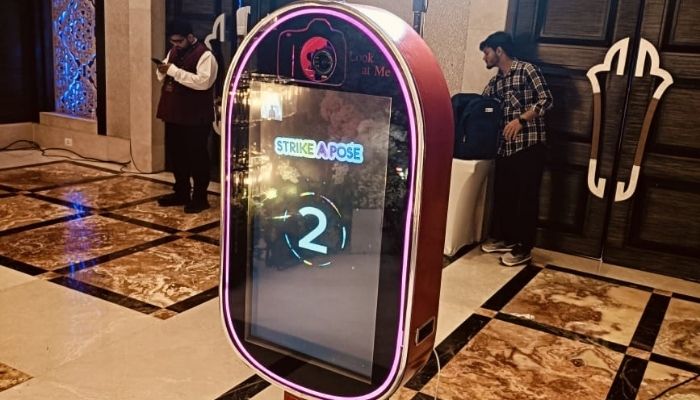
Facial Recognition Event Technology Dubai
If you think about how events used to operate even a few years ago, the first step was almost always the same. Guests arrived, walked toward a registration desk, waited in line, and eventually received a badge.
At small gatherings this works fine. But when thousands of people attend an exhibition or conference, the process can become slow and frustrating.
This is one of the reasons facial recognition event technology Dubai is gradually appearing at modern events.
Instead of relying on manual check-in systems, organizers now experiment with technology that identifies registered visitors almost instantly. Guests walk toward the entrance, the system confirms their identity, and they are inside within seconds.
For visitors it feels simple. For organizers it removes one of the biggest logistical challenges.

How Facial Recognition Works at Events
The concept behind AI event technology UAE is fairly straightforward. During the registration process, an attendee’s profile can include a facial image. When the person arrives at the venue, cameras connected to the system compare the live image with the stored data.
If the system finds a match, it confirms the guest automatically.
From there several things can happen. A badge might print, an access gate might open, or the system simply records that the attendee has arrived.
Because this happens quickly, most guests hardly notice the technology operating.
Why Faster Event Check-In Matters
Anyone who has attended a large conference understands how easily registration areas can become crowded. Hundreds of people may arrive at the same time, all trying to collect badges or complete check-in.
Using smart check-in systems Dubai, organizers can reduce that congestion significantly.
Instead of scanning lists or checking identification manually, the system handles most of the process automatically. Guests move through the entrance much faster, and the event begins on a positive note.
Improving the First Impression of an Event
The beginning of an event often shapes how visitors feel about the rest of the experience. When registration runs smoothly, everything feels more organized.
Guests start exploring the venue instead of waiting in line.
For this reason, many large conferences now test biometric event solutions Dubai as part of their event infrastructure.
Personalized Event Experiences with AI
Facial recognition technology is not limited to registration. Once the system identifies a visitor, it can connect that guest with different digital experiences inside the event.
For example, a screen might greet the visitor by name. A digital installation might show customized visuals based on their profile.
These small details create a more personal interaction between the brand and the visitor.
Why Personalization Works
People tend to respond when something feels directed at them personally. Seeing your name on a display or interacting with customized content makes the moment more memorable.
Many brands explore personalized event experiences UAE because they help visitors feel recognized rather than anonymous.
The technology itself may be complex, but the experience often feels surprisingly natural.
Interactive AI Installations
At certain exhibitions, facial recognition connects directly with digital displays. When a visitor approaches an installation, the system identifies them and triggers a visual response.
Sometimes this response is simple — a greeting or animation. In other cases, it becomes part of a creative brand experience.
These installations combine interactive AI installations with storytelling elements that capture attention.
Managing Visitor Flow at Large Events
Large events often involve thousands of attendees moving through the same space. Understanding how people move through that environment can help organizers improve the overall experience.
Using event data capture technology, facial recognition systems can provide insights about visitor movement.
For example, organizers may learn which exhibition areas attract the most attention or how long visitors remain in certain zones.
Using Data to Improve Future Events
After the event ends, this information becomes valuable.
Organizers can analyze visitor patterns and adjust future event layouts accordingly. If one installation attracted significantly more engagement than others, that insight can shape future planning.
Over time, this kind of data helps improve both event design and marketing strategy.
Facial Recognition in Exhibition Marketing
Some companies also use facial recognition as part of their exhibition engagement strategy.
Imagine a visitor returning to a booth they previously explored earlier in the day. The system recognizes them and displays new content or a different interactive experience.
This makes the interaction feel less repetitive.
Creating Memorable Brand Interactions
Experiential marketing often focuses on moments that surprise visitors.
When technology reacts to someone personally, even in a simple way, it creates a stronger impression.
For brands experimenting with AI personalization, this can become a creative tool rather than just a technical system.
Security and Access Control
Another practical benefit of facial recognition technology is security.
Large conferences usually include restricted areas such as VIP lounges, press rooms, or backstage sections. Managing access to these areas requires careful control.
With facial recognition event technology Dubai, entry points can verify identities automatically.
Simplifying Access Management
Instead of checking physical badges, the system simply confirms the person approaching the entrance.
If their profile includes access permission, the system allows entry. If not, the system keeps the area restricted.
This approach makes security faster while still maintaining control.
How Event Technology Continues to Evolve
The events industry constantly adapts to new technology, especially in cities known for innovation. Dubai is one of those places where event organizers often test new ideas earlier than other markets.
Facial recognition is part of that evolution.
Originally developed for security, it now plays a role in logistics, engagement, and personalization.
Companies like XMP World continue exploring how technologies like this can be integrated into events without overwhelming visitors.
The goal is simple: make events run smoothly while creating experiences people actually enjoy.
A More Efficient Event Experience
When everything works well behind the scenes, guests rarely think about the technology involved. They simply notice that the event feels organized and easy to navigate.
Tools like facial recognition event technology Dubai help create that experience.
Faster check-ins, personalized interactions, and improved security all contribute to an event environment that feels modern and efficient.
As event technology continues developing, systems like these will likely become more common across exhibitions, conferences, and corporate events throughout Dubai.
Frequently Asked Questions
What is facial recognition event technology
Facial recognition event technology Dubai uses AI systems and cameras to identify attendees and automate processes such as check-in and access control.
How do smart check-in systems Dubai work
Smart check-in systems Dubai identify visitors automatically when they arrive at an event, allowing them to enter quickly without manual registration.
Is facial recognition safe for events
Most biometric event solutions Dubai follow strict security standards designed to protect visitor information while improving event efficiency.
Why do events use AI technology
AI event technology UAE helps organizers automate registration, personalize guest experiences, and collect engagement insights during events.
